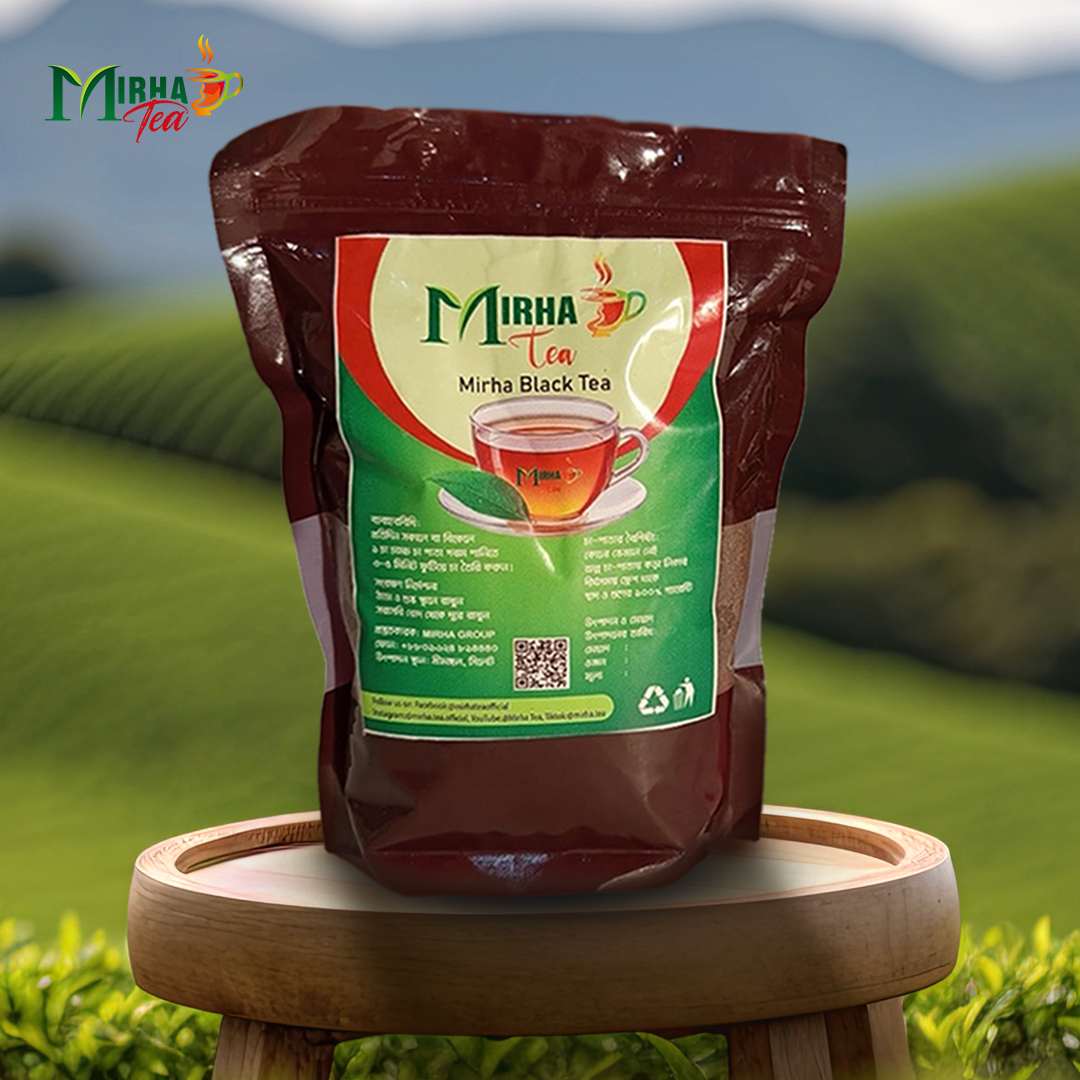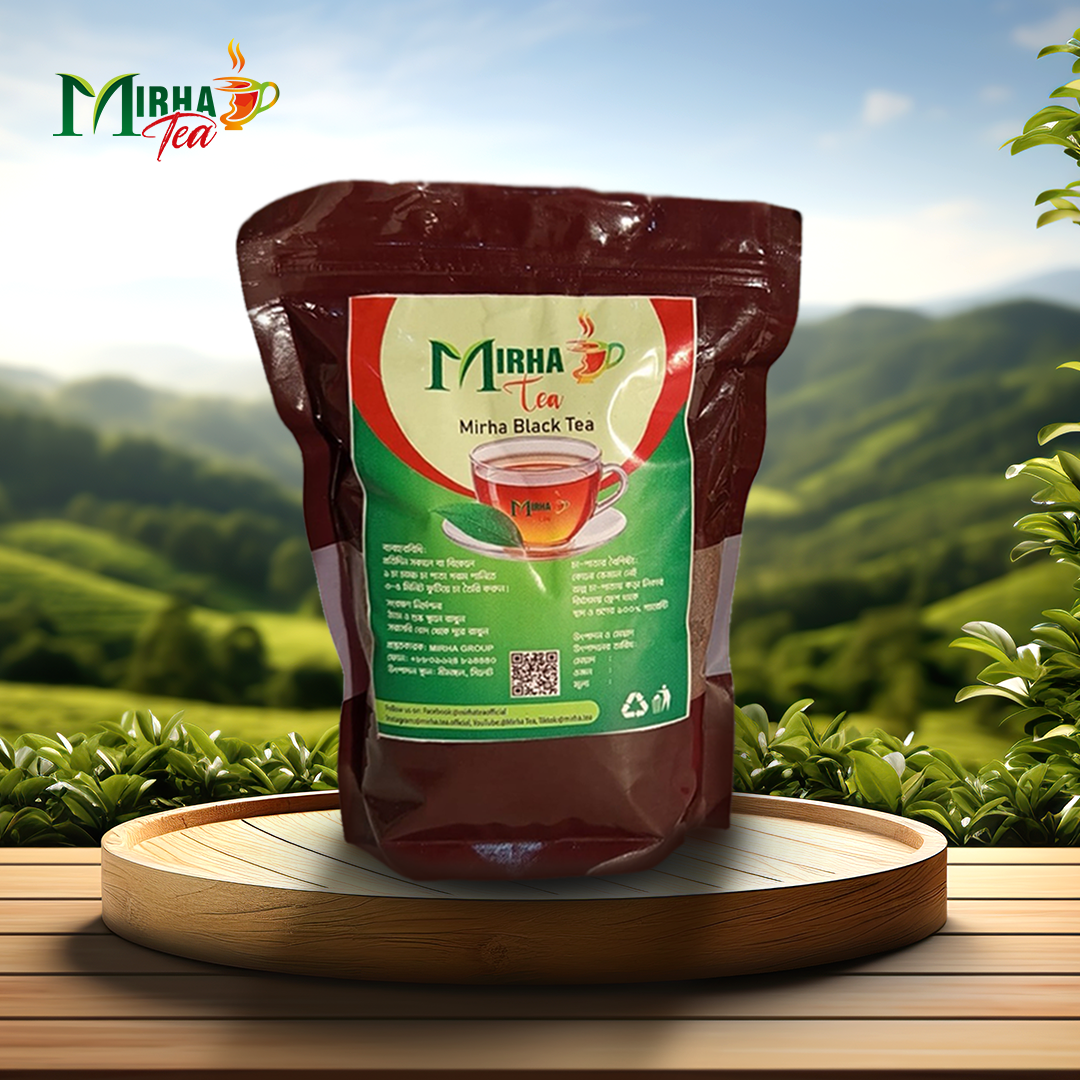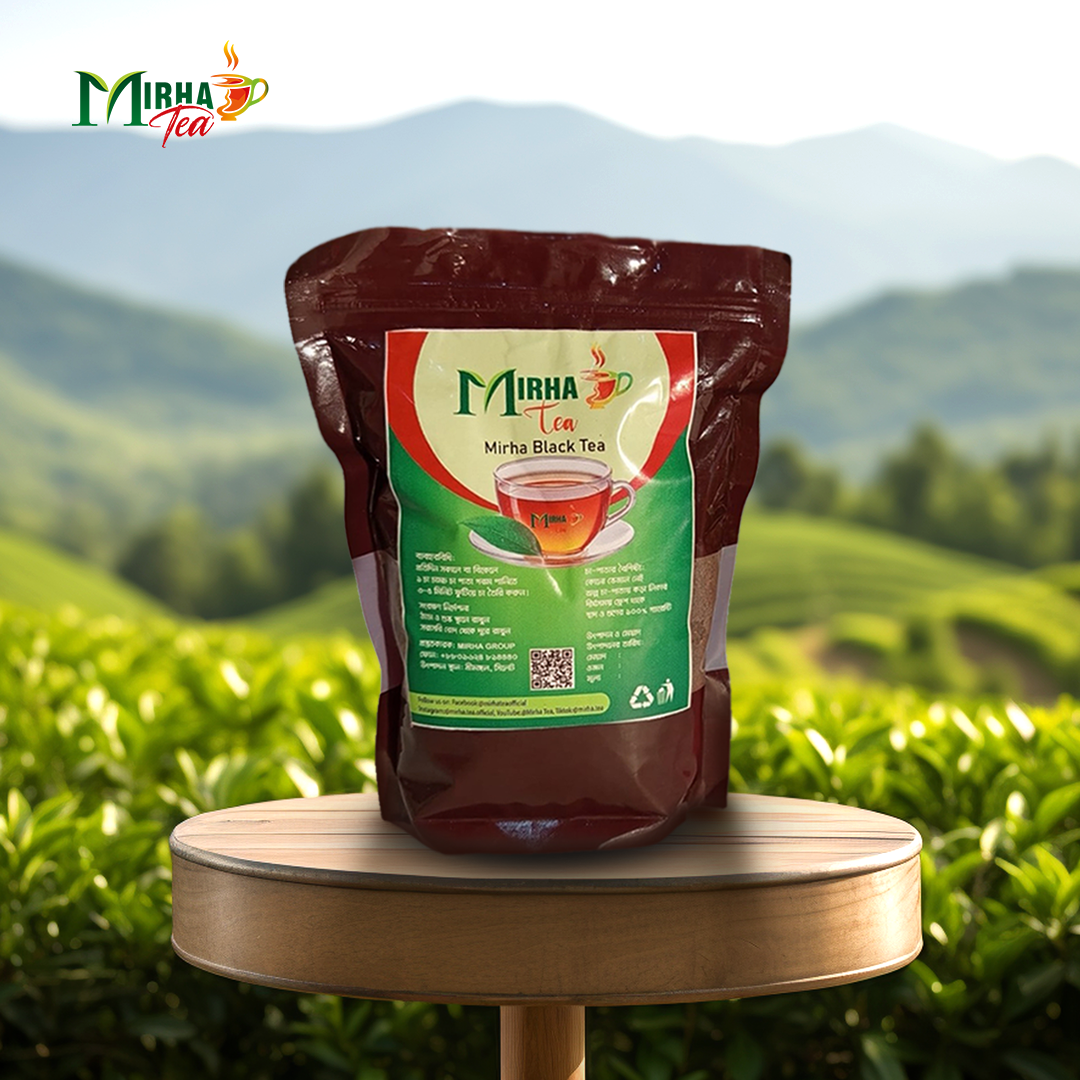

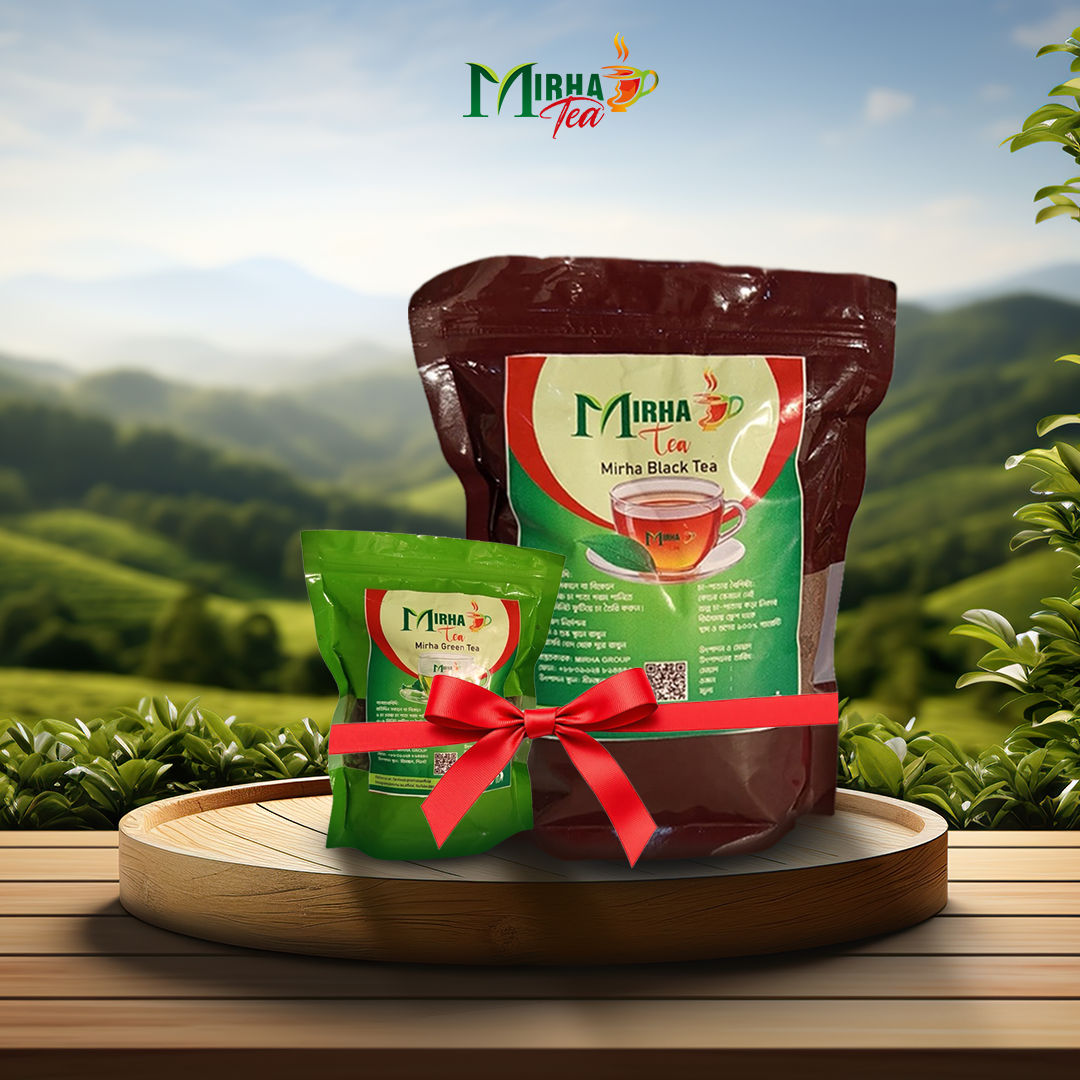
🍃   সরাসরি সিলেটের শ্রীমঙ্গলের সবুজ চা-বাগান থেকে বাছাই করা তাজা চা পাতা |   🛍 পাইকারি ও খুচরা বিক্রয় করা হয়।   🚚 সারা দেশে হোম ডেলিভারি দেওয়া হয়।

There is something deeply comforting about a hot cup of black tea. Whether you reach for it the moment your alarm goes off, sip it slowly after lunch, or enjoy it as a quiet ritual in the evening, this brew has earned its place in daily routines across the world. But here is a question most people never stop to ask: Are you drinking it at the right time?

Timing, it turns out, matters more than you might think. Getting the timing right can mean the difference between feeling energized and feeling restless, between supporting your digestion and disrupting it, and between sleeping well and staring at the ceiling at midnight.

In this guide, we break down exactly when to enjoy your cup based on your health goals—whether you want more energy in the morning, better focus at work, improved metabolism, or simply a good night’s sleep. We also cover when to avoid it and answer the most common questions people have about tea timing.

What Makes Black Tea Different from Other Teas?

Before talking about timing, it helps to understand what you are actually drinking. Black tea comes from the Camellia sinensis plant — the same plant that produces green tea, white tea, and oolong. What sets it apart is the full oxidation process it goes through after the leaves are harvested. This oxidation is responsible for its bold, rich flavor, deep amber color, and higher caffeine content compared to other teas.

It is packed with beneficial compounds that work together to support your health:

  • Caffeine—a natural stimulant that boosts alertness and physical performance
  • L-theanine—an amino acid that promotes calm, focused energy without the jitters
  • Theaflavins and thearubigins—powerful antioxidants unique to this tea
  • Polyphenols—plant compounds that support heart and gut health
  • Flavonoids—anti-inflammatory compounds linked to reduced disease risk

When consumed at the right time and in the right amount, these compounds can genuinely improve how you feel, think, and perform throughout the day.

Is Morning the Best Time to Drink Black Tea?

For millions of people, this tea and mornings go hand in hand. The ritual of brewing a cup first thing feels almost non-negotiable. And honestly, mornings are a great window—but the specific timing within the morning matters.

The caffeine stimulates your central nervous system, helping to shake off that groggy, slow-moving feeling many of us wake up with. It sharpens mental clarity, improves mood, and helps you transition into a productive headspace. L-theanine adds a layer of calm focus, so you get the alertness without the anxious edge that strong coffee can sometimes bring.

Should You Drink It the Moment You Wake Up?

This is where many people make a small but impactful mistake. Having a cup on an empty stomach is not ideal for most people. The brew is mildly acidic and stimulates stomach acid production. Without any food to buffer it, this can lead to:

  • Acid reflux or heartburn
  • Mild nausea or stomach cramps
  • A jittery, unsettled feeling
  • Increased cortisol levels, which are already elevated in the early morning

The smarter approach is to eat a light breakfast first—something as simple as toast, a banana, or a handful of nuts—and then enjoy your cup 30 to 60 minutes later. This small shift protects your stomach lining and still gives you the energy boost you are looking for.

Best morning timing: 30–60 minutes after breakfast, ideally between 9:30 AM and 11:00 AM.

When to Drink It for Weight Loss

If weight management is one of your goals, this beverage can be a genuinely useful tool—but only when used strategically. The polyphenols, particularly theaflavins, have been shown to support fat oxidation and improve metabolic rate. Caffeine also plays a role by temporarily increasing thermogenesis—the process of burning calories to produce heat.

The most effective windows for weight loss support are

  • 30 minutes before exercise—caffeine increases fat burning during physical activity
  • Mid-morning, between breakfast and lunch—helps suppress appetite and prevent overeating
  • Early afternoon, before 3 PM—keeps metabolism active without disrupting sleep

If weight loss is your goal, drink your cup plain. Adding sugar, honey, or full-fat milk significantly increases calorie content and offsets the metabolic benefits. A squeeze of lemon is a good option—it adds flavor and may even enhance antioxidant absorption.

Black Tea items

Before a Workout: Timing for Performance

Athletes and fitness enthusiasts have been using caffeine as a pre-workout stimulant for decades, and this tea is one of the most natural and accessible sources of it. A single cup contains roughly 40–70 mg of caffeine—enough to provide a noticeable performance benefit without overwhelming your system.

Drinking it before exercise can:

  • Increase endurance and reduce perceived effort during cardio
  • Improve muscle strength and reaction time
  • Enhance fat oxidation, helping your body use fat as fuel
  • Sharpen focus and mental drive during training

The ideal timing is 20 to 40 minutes before your workout. This gives the caffeine enough time to absorb and reach peak concentration in your bloodstream.

For Focus and Productivity: When to Brew

One of the underappreciated benefits of this beverage is how it supports cognitive performance. The combination of caffeine and L-theanine is particularly powerful. While caffeine alone can sometimes cause restlessness, L-theanine smooths out those rough edges. The result is alert, calm, focused, clear-headed, and steady.

This makes it an excellent choice during:

  • Deep work sessions that require sustained concentration
  • Creative tasks where you need both energy and relaxed thinking
  • Meetings or presentations where mental sharpness matters
  • Study sessions that demand focus over a long period

The ideal window is mid-morning between 10 AM and 12 PM, or early afternoon between 1 PM and 3 PM. Both windows align with natural alertness peaks and avoid disrupting sleep from late-day caffeine intake.

The Afternoon Slump: A Smart Energy Reset

The post-lunch energy dip is real. Many people experience a natural drop in alertness between 1 PM and 3 PM, driven by circadian rhythms and digestion. A cup during this window can be a genuinely effective reset without reaching for a heavy meal or sugary snack.

It can reduce drowsiness, improve alertness, and help you power through the second half of the workday. The key is not pushing it too late. Caffeine has a half-life of roughly 5 to 6 hours, meaning a cup at 4 PM still has half its caffeine active by 9 or 10 PM—enough to disrupt sleep even if you feel tired.

Safe afternoon window: No later than 3 PM to 4 PM.

Should You Have a Cup at Night?

The honest answer is: for most people, no. The caffeine content is high enough to:

  • Delay sleep onset, making it harder to fall asleep
  • Reduce total and deep sleep duration
  • Cause nighttime restlessness or wakefulness
  • Increase heart rate at a time when your body needs to wind down

If you genuinely enjoy a warm drink in the evening, switch to caffeine-free herbal tea — chamomile, peppermint, or ginger. These support relaxation rather than working against it.

Bottom line: Avoid this tea within 6 hours of your bedtime.

After Meals: What You Need to Know

Many people drink it immediately after eating, treating it as a digestive aid. While it does contain compounds that support gut health, drinking it too soon after a meal can reduce iron absorption. The tannins bind to non-heme iron—the type found in plant-based foods like spinach, lentils, and beans—and prevent proper absorption.

The simple fix is to wait at least 45 minutes to 1 hour after a meal. This gap allows your body to absorb iron from food before the tannins interfere. This is especially important for vegetarians, vegans, or anyone at risk of iron deficiency.

How Many Cups Per Day Is Too Many?

Moderation is the key to getting the benefits without the drawbacks. For most healthy adults, 2 to 3 cups per day is a safe and effective amount—enough for meaningful antioxidant and cognitive benefits without overloading your system.

Regularly drinking more than 4 or 5 cups daily may lead to:

  • Anxiety, restlessness, or irritability
  • Increased heart rate or palpitations
  • Disrupted sleep patterns
  • Iron deficiency over time from tannin interference
  • Headaches from caffeine dependence

Drinking more water throughout the day often reduces the urge to rely heavily on caffeinated drinks for energy.

Best Time to Drink Black Tea—Quick Reference

Your Goal

Ideal Timing

Morning energy & alertness

30–60 min after breakfast (9:30–11 AM)

Weight loss & metabolism

Morning or before 3 PM, plain

Pre-workout performance

20–40 min before exercise

Work or study focus

Mid-morning or early afternoon

Afternoon energy reset

Before 3–4 PM

Better sleep

Avoid after 3–4 PM

Protecting iron absorption

Wait 45–60 min after meals

Practical Tips for Getting the Most from Every Cup

  • Always eat something before your first cup to protect your stomach
  • Drink it plain or with a small splash of milk for weight management
  • Steep for 2–3 minutes for a balanced flavour and caffeine level
  • Use filtered water at around 90–95°C for the best brew
  • Avoid refined sugar—try a slice of lemon instead
  • Space cups at least 2 hours apart rather than drinking back to back
  • Stop at 3 PM to protect your sleep quality

If you are looking for a premium cup to start your timing journey, we offer our own Orthodox Tea crafted for those who take their brew seriously. Feel free to give it a try.

Final Thoughts

This beverage is more than just a comforting morning habit. When you understand optimal tea timing for your specific goals, it becomes a surprisingly powerful tool for managing energy, focus, metabolism, and overall well-being.

The core principles are simple: drink it after eating in the morning, use it strategically before workouts or focus-intensive work, respect the 3 PM cutoff to protect your sleep, and keep daily intake to 2 or 3 cups. These small adjustments cost nothing and can make a real difference to how you feel each day.

Good tea is not just about what is in the cup. It is also about when you choose to drink it.

0
    0
    Your Cart
    Your cart is emptyReturn to Shop
    Scroll to Top