


Orthodox Tea: Benefits, Processing Methods and Types
In a world where speed often trumps tradition, Orthodox Tea stands as a quiet reminder that some things are better done slowly. Crafted using time-honoured methods that preserve the shape, aroma, and character of the tea leaf, orthodox tea offers a depth of flavour that mass-produced teas can’t replicate. From the first fragrant infusion to the lingering finish in your cup, this traditional tea tells a story of craftsmanship, origin, and patience. Whether you’re a curious tea drinker or a seasoned connoisseur, understanding orthodox tea opens the door to a richer, more mindful tea experience—and that’s exactly what we’ll explore in this article.
What Is Orthodox Tea?
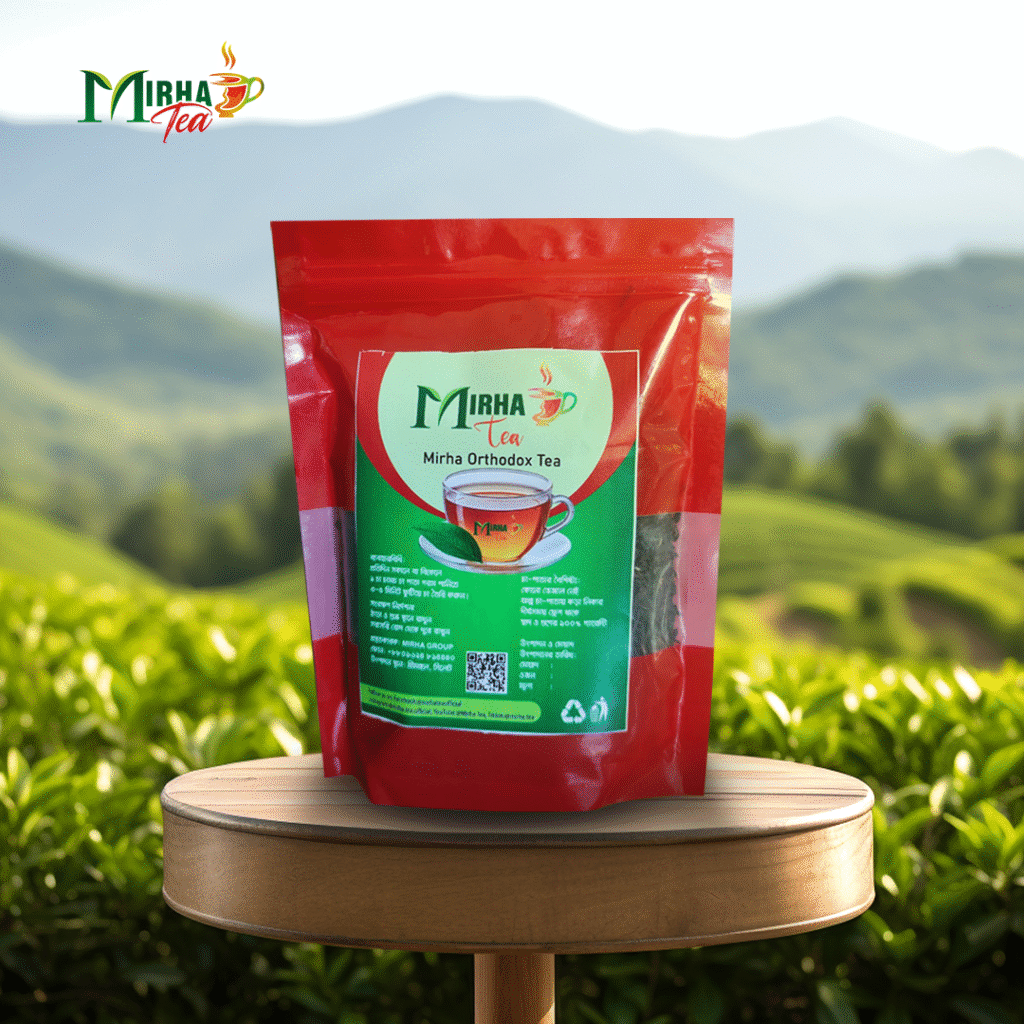
Orthodox tea is a traditional and time-honoured way of producing tea that emphasises quality over speed. In this method, tea leaves are carefully handled to preserve their natural shape, aroma, and character. Unlike mass-produced teas, orthodox tea is often made from hand-plucked leaves and processed slowly to allow flavours to develop naturally. This results in a refined cup with layered taste, pleasant aroma, and visual appeal. Originating in China and later perfected in regions like Sri Lanka, India, Nepal, and Africa, orthodox tea reflects the true identity of its growing region. It is especially valued by tea lovers who appreciate craftsmanship, authenticity, and a more mindful tea-drinking experience.

How Orthodox Tea Is Made
The making of orthodox tea is a careful balance of tradition, skill, and precision. The process begins with plucking high-quality tea leaves, usually by hand, to avoid damage. The leaves are then withered to reduce moisture and prepare them for rolling. During rolling, the leaves are gently twisted to release natural oils while maintaining their structure. Controlled oxidation follows, where the tea develops its colour, aroma, and flavour. Finally, the leaves are dried to stop oxidation and sorted into grades. Each step is slow and intentional, allowing orthodox tea to achieve its signature depth, aroma, and premium quality.

Orthodox Tea vs CTC Tea
Orthodox tea and CTC tea differ greatly in both process and experience. Orthodox tea is made from whole or twisted leaves, while CTC tea is crushed into small granules for faster brewing. This difference directly affects taste—orthodox tea offers complex, nuanced flavours and natural aromas, whereas CTC tea delivers a strong, brisk cup commonly enjoyed with milk and sugar. Orthodox tea is best brewed in a teapot and sipped slowly, while CTC tea suits quick preparation. Because of its careful production and superior leaf quality, orthodox tea is considered premium, while CTC tea is designed for mass consumption and convenience.
Types of Orthodox Tea
Orthodox tea comes in several varieties, each with its own unique character. Orthodox black tea, including Darjeeling, Assam, and Ceylon, is rich, aromatic, and full-bodied. Orthodox green tea is minimally oxidised, offering fresh, grassy, and clean flavours. White tea is the least processed and is known for its delicate taste and high antioxidant content. Orthodox oolong tea falls between black and green tea, with partial oxidation that creates floral, fruity, and lightly roasted notes. These diverse types show how orthodox processing brings out the natural beauty and complexity of different tea styles.
Orthodox Black Tea is the most widely consumed and celebrated variety. Famous types such as Darjeeling, Assam, and Ceylon are known for their rich aroma, deep colour, and full-bodied flavour. These teas often carry notes ranging from malty and brisk to floral and muscatel.
Orthodox Green Tea undergoes minimal oxidation, allowing it to retain its natural freshness. It offers light, grassy, and vegetal flavours with a clean, refreshing finish and is valued for its natural goodness.
Orthodox White Tea is the least processed of all. Made from tender buds and young leaves, it delivers a soft, delicate taste and is highly prized for its high antioxidant content.
Orthodox Oolong Tea sits between black and green tea in oxidation. Its partially oxidised leaves create a beautifully complex cup with floral, fruity, and lightly roasted notes, making it a favourite among seasoned tea enthusiasts.
Health Benefits of Orthodox Tea
Orthodox tea is not only flavourful but also beneficial for health. Because the leaves are minimally broken, they retain higher levels of natural antioxidants such as polyphenols and catechins. These compounds help protect the body from oxidative stress and support overall wellness. Drinking orthodox tea regularly may contribute to heart health by helping manage cholesterol levels. It also aids digestion and gently supports metabolism. The natural caffeine content provides alertness, while L-theanine helps promote calm focus. Together, these qualities make orthodox tea a balanced and healthy choice for daily consumption.
How to Brew Orthodox Tea Properly
Proper brewing is essential to enjoy the true character of orthodox tea. Always start with fresh, clean water and heat it to the right temperature based on the tea type. Loose-leaf orthodox tea is preferred, as it allows the leaves to fully open and release flavour. Avoid over-steeping, which can cause bitterness and mask delicate notes. Using a teapot or quality infuser improves the overall experience. When brewed correctly, orthodox tea produces a smooth, aromatic, and well-balanced cup that highlights its craftsmanship and origin.

Why Orthodox Tea Is Considered Premium
Orthodox tea earns its premium status through careful craftsmanship and attention to detail. The production process is labour-intensive, often involving hand-plucking and small-batch processing. This approach preserves quality but limits volume, making the tea more exclusive. Orthodox tea is highly valued in the speciality tea market for its origin-specific flavours and authenticity. Many estates also focus on sustainable farming and ethical labour practices. The combination of tradition, flavour depth, and responsible production makes orthodox tea a refined choice for discerning tea drinkers.
How to Choose High-Quality Orthodox Tea
Selecting high-quality orthodox tea requires a mindful approach. Look for whole, well-shaped leaves with a fresh, pleasant aroma. Avoid teas that appear dusty, broken, or lack fragrance. Understanding tea grades can help, but freshness and origin are equally important. Always check packaging details and storage conditions. Countries such as India, Sri Lanka, Nepal, and Kenya are well known for producing excellent orthodox teas. Choosing tea from reputable sources ensures authenticity, better flavour, and a truly satisfying tea experience.
Final Thoughts
Orthodox tea is not simply a beverage—it is a celebration of tradition, patience, and skilled craftsmanship passed down through generations. Every stage of its careful production reflects respect for the tea leaf and the art of tea making. From its refined aroma and layered flavours to its natural health benefits, orthodox tea offers an experience that goes beyond taste alone. It invites you to slow down, be mindful, and truly appreciate what you are drinking. Whether you are discovering tea for the first time or deepening your appreciation as a connoisseur, choosing orthodox tea means embracing quality, authenticity, and a timeless elegance that can be enjoyed in every cup.
Frequently Asked Questions (FAQ)
Orthodox tea is a traditional method of tea production where tea leaves are carefully processed to preserve their natural shape, aroma, and flavour. This method focuses on quality rather than speed, resulting in a refined and premium tea experience.
Orthodox tea is made from whole or twisted leaves and offers complex flavours and natural aromas. CTC tea, on the other hand, is crushed into small granules for quick brewing and produces a strong, brisk cup, usually enjoyed with milk and sugar.
Yes, orthodox tea is considered premium due to its labour-intensive processing, hand-plucking methods, and superior leaf quality. It is highly valued in the speciality tea market for its authenticity and flavour depth.
Yes, orthodox tea naturally contains caffeine. The level varies depending on the type—black orthodox tea has higher caffeine, while green and white orthodox teas contain less. It also includes L-theanine, which promotes calm focus.
Orthodox tea is rich in antioxidants such as polyphenols and catechins. It may support heart health, aid digestion, boost metabolism, and improve mental alertness while reducing stress.