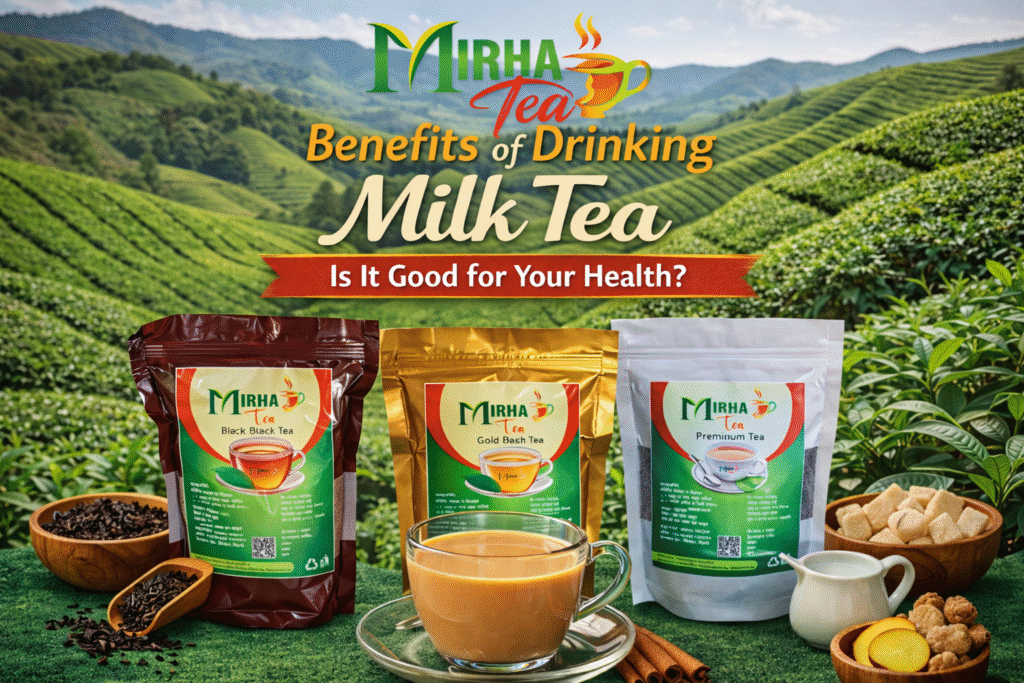
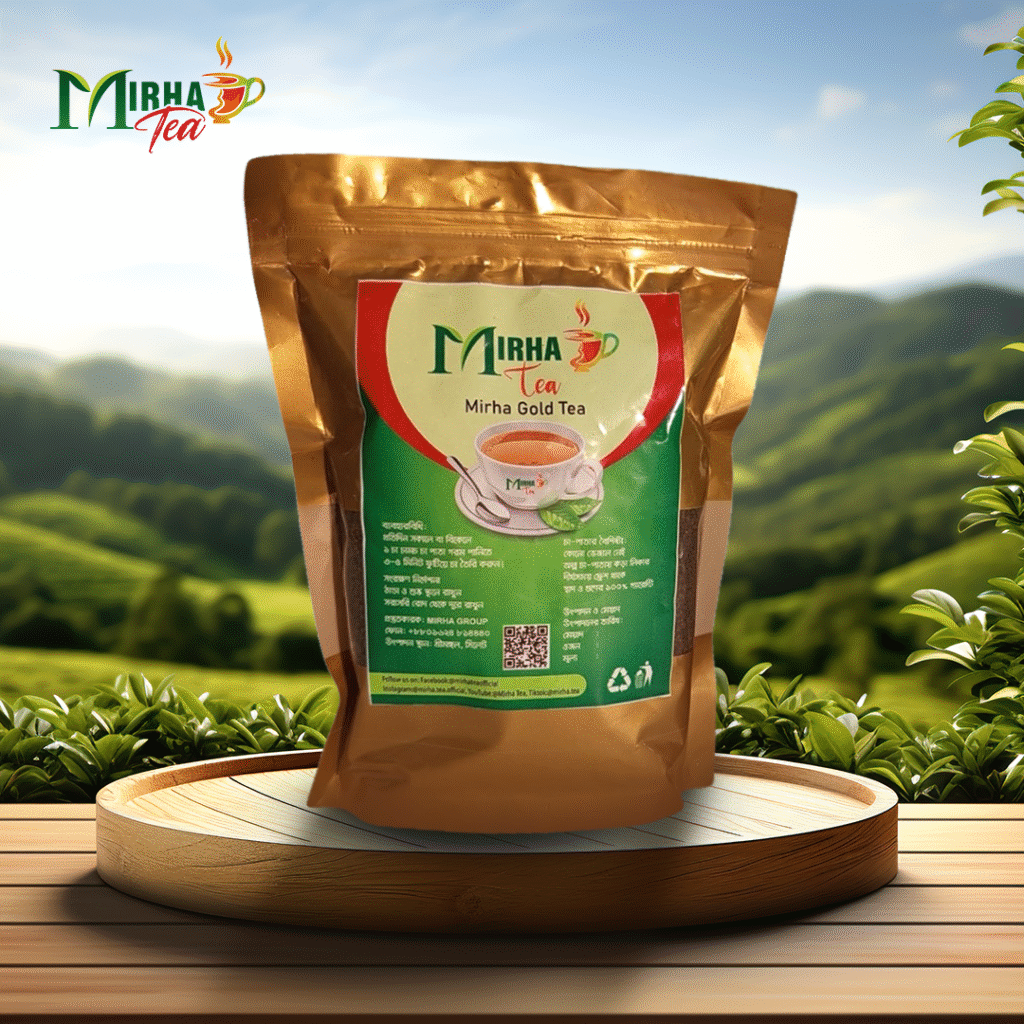
Milk tea is more than just a comforting drink.It’s a part of everyday life for people across the world. From a quiet morning cup to an afternoon break with friends, milk tea is enjoyed for its smooth taste and relaxing warmth. Beyond its flavor, many people are now curious about the benefits of drinking milk tea and how it affects overall health. When tea and milk come together, they create a beverage that offers gentle energy, comfort, and nutritional value. Understanding the benefits of drinking milk tea helps people enjoy it mindfully while making healthier choices in their daily routine.
Why Milk Tea Is So Popular
Milk tea combines two widely loved ingredients: tea leaves and milk. Tea provides antioxidants and gentle stimulation, while milk adds creaminess, protein, and essential minerals. Together, they create a soothing yet energizing drink that fits seamlessly into modern lifestyles.
The growing interest in the benefits of drinking milk tea comes from its ability to offer comfort, refreshment, and functional nutrition in a single cup. When prepared thoughtfully, milk tea can be both enjoyable and beneficial.
Nutritional Value of Milk Tea
Milk tea contains a mix of essential nutrients that come from both tea and milk. Tea is rich in antioxidants such as flavonoids and polyphenols, which help protect the body from oxidative stress. Milk adds important nutrients like calcium, protein, vitamin B12, and vitamin D that support bone strength and muscle health. When combined, these ingredients create a beverage that provides energy, nourishment, and comfort. The moderate caffeine content in tea helps improve alertness, while milk slows caffeine absorption, preventing sudden energy crashes. This balanced nutritional profile is one of the key reasons people value milk tea as part of their daily routine.
Benefits of Drinking Milk Tea for Energy
One of the main benefits of drinking milk tea is its ability to provide steady energy throughout the day. Tea naturally contains caffeine, which stimulates the nervous system and improves focus. Unlike strong coffee, milk tea delivers a gentler energy boost, making it ideal for long working hours or study sessions. Milk adds protein and healthy fats that help sustain energy levels and reduce fatigue. This combination prevents sudden spikes and crashes in blood sugar levels. Drinking milk tea in the morning or afternoon can refresh both mind and body, helping you stay productive without feeling overstimulated or restless.
Milk Tea and Digestive Health
Milk tea can support digestive health when consumed in moderation. Warm tea helps stimulate digestive enzymes, which may improve digestion after meals. Certain teas, such as black tea or green tea, contain compounds that promote healthy gut bacteria. Milk adds a soothing effect that can reduce stomach discomfort for some people. However, individuals with lactose intolerance should use plant-based milk alternatives. Spices like ginger or cardamom, often added to milk tea, further enhance digestion and reduce bloating. These digestive advantages are often included among the benefits of drinking milk tea, especially in traditional cultures.
Mental Relaxation and Stress Relief
Milk tea is widely known for its calming and stress-relieving effects. Tea contains L-theanine, an amino acid that promotes relaxation and mental clarity without causing drowsiness. When combined with warm milk, the drink becomes deeply comforting and emotionally soothing. Many people enjoy milk tea during breaks as a way to reset their minds and reduce anxiety. The ritual of preparing and sipping milk tea also contributes to mindfulness and emotional balance. These psychological benefits of drinking milk tea make it a popular choice during stressful workdays or quiet evenings.
Is Milk Tea Good for Overall Health?
Milk tea can be good for overall health when prepared healthily. It provides antioxidants, calcium, protein, and hydration, all of which support the body’s daily needs. However, excessive sugar or artificial creamers can reduce its health value. Choosing low-fat milk, plant-based milk, and natural sweeteners can significantly improve its nutritional quality. Moderation is key to enjoying the benefits of drinking milk tea without negative effects. When consumed wisely, milk tea can be a comforting beverage that supports physical health, mental well-being, and daily energy needs.
Milk Tea vs Other Popular Beverages
When comparing milk tea with other popular beverages like sugary sodas and creamy coffee drinks, milk tea often stands out as a more balanced choice. Sodas usually contain high amounts of added sugar and provide little to no nutritional value, causing a quick energy spike followed by a crash. Coffee with cream can offer energy but is often high in calories, sugar, and saturated fat, which may lead to restlessness and fatigue later. Milk tea, on the other hand, allows better control over ingredients. The sugar level is adjustable, and it provides calcium, protein, and antioxidants. Because it delivers steady energy rather than sudden stimulation, many people choose milk tea for daily consumption. This balance is one of the key benefits of drinking milk tea for a healthier lifestyle.
Who Should Be Careful with Milk Tea?
Although milk tea offers several health advantages, certain individuals should consume it with caution. People with lactose intolerance may experience bloating, gas, or stomach discomfort after drinking milk tea made with dairy milk. In such cases, plant-based alternatives like soy, almond, or oat milk are better options. Those who are sensitive to caffeine should also monitor their intake, as tea contains caffeine that may cause restlessness, anxiety, or sleep disturbances. Additionally, individuals managing blood sugar levels, such as people with diabetes, should be careful with added sugar. Consulting a healthcare professional can help determine whether milk tea fits safely into an individual’s diet and how to prepare it in a healthier way.
Conclusion
Milk tea is more than just a tasty drink—it offers nutritional, emotional, and social benefits when consumed mindfully. It provides calcium for bone health, antioxidants from tea, and a gentle energy boost that supports focus and relaxation. However, the key to enjoying the benefits of drinking milk tea lies in balance. Using quality tea leaves, choosing healthy milk options, and limiting sugar can significantly improve its health value. Drinking milk tea in moderation allows you to enjoy its comforting taste without negative effects. With the right preparation and portion control, milk tea can be a satisfying and supportive addition to a healthy lifestyle.